
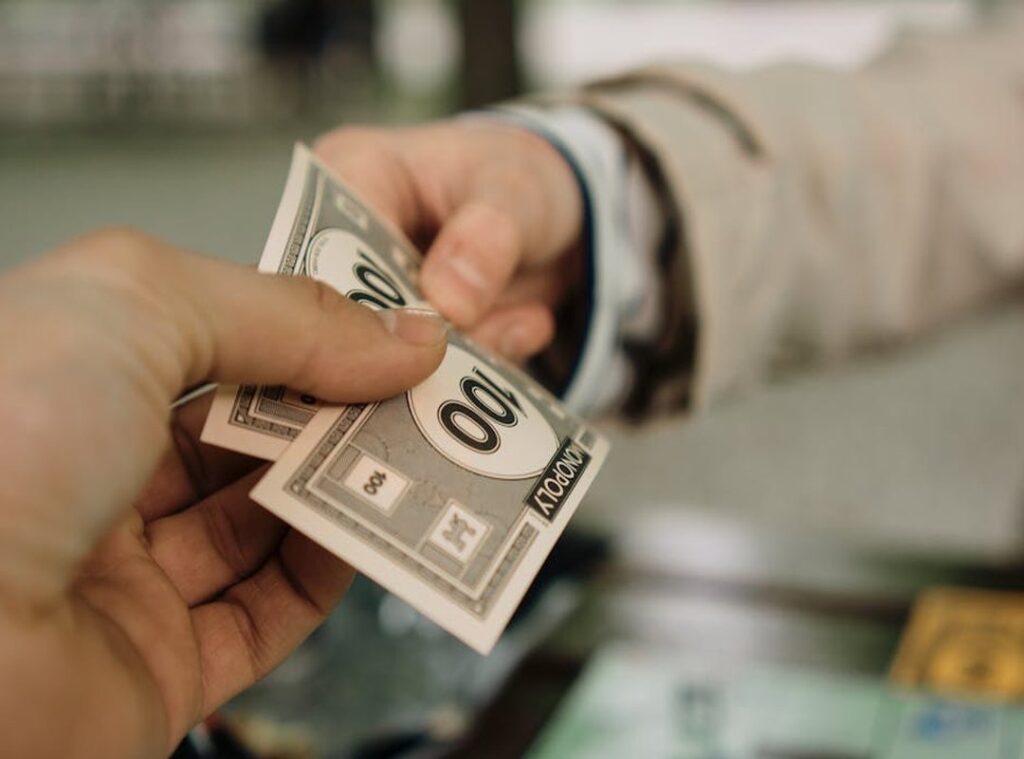
Video games made over $200 billion last year.
That’s more than movies and music combined.
You’re probably wondering how that happens. I’ve spent twenty years watching this industry up close. Playing the games.
Talking to the devs. Watching studios rise and crash.
This isn’t theory. It’s what I’ve seen work (and) what blows up in people’s faces.
The truth is messy. It’s not just selling a disc or a download. It’s live ops, loot boxes, subscriptions, ads, licensing, resales, data, and sometimes plain old luck.
And yes. It’s all tied to How Video Games Make Money Bfncgaming.
Why does this matter to you? Because if you love games, you deserve to know who’s paying for them (and) why. If you want to make games someday, you need to know where the money really comes from.
I’ll break it down plainly. No jargon. No fluff.
Just how it actually works.
The Old-School Cash Grab
I buy a game once. I own it. No subscriptions.
No loot boxes. Just me and the disc or download.
That’s how How Video Games Make Money Bfncgaming starts for most single-player games.
New AAA titles hit $70 now. Not $60. Not $69.99. $70 flat.
(And yes, I complain every time.)
Indies charge $15. $25. Sometimes $40 if they’ve got voice acting and 30 hours of story.
Pre-orders? They’re just marketing traps with bonus skins nobody uses.
Special editions? Overpriced boxes full of paper art books and plastic trinkets.
Hype sells way more than gameplay trailers ever could.
Remember The Last of Us Part II? No battle pass. No season pass.
Just a $70 story you finished in 20 hours.
Same with Disco Elysium. Zero monetization. Pure writing.
Sold like hotcakes.
Marketing pushes urgency. “Buy now or miss out.” Bullshit.
Video games can be incredibly profitable, and understanding their revenue streams is essential for success in the industry, especially in the context of Bfncgaming.
You don’t need to pre-order. You really don’t.
Most people already know what they’ll play next week.
So why do we keep paying full price?
Because some games still earn respect. And revenue (by) just being good.
DLC, Expansions, and That Season Pass Trap
I bought a game last month. Then I paid $10 for a sword skin. Then $25 for a map pack.
Then $40 for a season pass I’ll probably forget about.
DLC is just extra stuff you download after buying the game. Some are harmless. New hats, new dance moves.
Others feel like cut content they held back to charge me twice.
Expansions are bigger. They add real story, new zones, sometimes whole gameplay systems. Skyrim’s Dragonborn didn’t feel like a cash grab.
Cyberpunk’s Phantom Liberty did. (You know which one.)
A season pass promises future DLC at a discount. It sounds smart until you realize you’re paying for stuff you haven’t seen. And might not want.
Developers get money upfront. Players get hope. Neither side always wins.
This is part of How Video Games Make Money Bfncgaming. Not all DLC is bad. But most of it arrives because the base game stopped printing cash.
You ever finish a season pass? I haven’t. Most people don’t.
That’s why they keep selling them.
Free-to-Play Isn’t Free

I download the game. I tap play. Zero dollars up front.
That’s the hook.
But then the shop opens.
And it’s full of little things you could buy.
Microtransactions are those tiny purchases. $1.99 for a sword skin. $4.99 to skip a wait timer. $9.99 for a character you can’t earn otherwise.
Cosmetics are safe. They change how you look. Not how you win.
Convenience items save time. And pay-to-win? That’s when spending changes power.
It pisses people off. (And it should.)
Why do we buy? Because the game nudges us. A timer ticks down.
A shiny icon pulses. You’re this close to unlocking something. It’s not magic.
It’s design.
Fortnite runs on this. So does Genshin Impact. So do half the games on your phone right now.
You think you’re just browsing the shop.
But the shop is watching you back.
How Video Games Make Money Bfncgaming isn’t about big launches anymore.
It’s about small taps, repeated daily.
Bfncgaming Gaming News by Befitnatic breaks down what’s really happening behind those pop-ups.
Some games give you hours of fun before asking for anything. Others ask for $2 before you’ve even chosen your character. There’s a line.
Most don’t respect it.
You’ve felt that pull.
Admit it.
How Games Actually Pay Rent
I paid $15 a month for World of Warcraft for seven years. Not for one game. For the world.
Xbox Game Pass is the same idea but wider. You get hundreds of games for one fee. No buying each one.
No deciding which to keep. Just play.
PlayStation Plus? That’s your online pass. No subscription, no multiplayer.
It’s not optional if you want to shoot strangers online.
Mobile games slap ads in your face between levels. You watch a 30-second soda commercial to revive your cartoon frog. That ad pays more than your $2.99 purchase ever did.
Esports tournaments sell tickets, stream rights, and sponsor logos on player jerseys. The game developer doesn’t run the tournament (but) they get a cut, and the game stays relevant. (Which means more people buy the DLC.)
My nephew owns three Fortnite backpacks. One he wears. Two sit on his shelf like trophies.
Toys, hoodies, posters. These aren’t afterthoughts. They’re profit centers with their own supply chains.
None of this replaces selling the game.
But it stretches the life of the product way past launch day.
If you’re trying to understand the full picture. How subscriptions stack up against ads, how esports feeds back into sales, where merch fits in. That’s exactly what the Bfncgaming gaming info from befitnatic breaks down.
It’s the clearest look I’ve found at How Video Games Make Money Bfncgaming.
What’s Really Paying for Your Next Level
I’ve seen how fast a $70 game turns into $200. That’s not magic. It’s design.
Upfront sales. DLC. Microtransactions.
Subscriptions. They’re not tricks. They’re how studios stay open.
You want great games. You also want them to exist next year. That tension?
It’s real.
Think about it next time you click “Buy Now” or skip the ad. Who benefits? Who pays?
What gets made (or) scrapped. Because of your choice?
This isn’t just about How Video Games Make Money Bfncgaming.
It’s about what you value.
So play more.
But ask questions while you do.
Go pick a game you’ve never tried. Read its store page. Look at its update history.
See what’s free. And what’s waiting behind the curtain.
Then decide if it’s worth your time and your money. You already know the answer. Now act like it.
 LiquidJuniper played a vital role in the foundational development of the website, ensuring the platform's infrastructure could support a high-performance experience for the gaming community. By focusing on the technical integration of real-time updates and multiplayer data, Thornridge helped create a seamless environment where users can access complex gaming strategies and esports news without friction. This dedication to building a robust digital space has been instrumental in making the site a reliable destination for competitive players.