

I’ve been gaming long enough to see plenty of “revolutionary” tech that turned out to be nothing.
You’re probably tired of hearing about the next big thing that’s going to change everything. Most of it doesn’t.
But right now? Some real shifts are happening. How new technologies are changing gaming altwaygamers isn’t just about shinier graphics or faster load times.
I’m talking about tech that actually changes how we play and connect with each other.
The problem is separating what matters from what’s just marketing. Cloud gaming, AI, VR and AR. Everyone’s talking about them. But which ones will actually improve your experience?
Here’s my approach: I’m looking at these technologies through the lens of what we care about at Altway Gamers. That means immersive experiences that pull you in. Gameplay with real depth. Communities that stick together.
Not what’s trending on social media.
This article breaks down which technologies are worth your attention. I’ll show you what’s actually changing the core gaming experience and what’s just noise.
We’ll focus on what these innovations mean for players who care about substance over hype.
No fluff. Just what’s real and what it means for how you game.
Defining the ‘Altway Gamer’: A Focus on Depth and Community
You’ve probably noticed something.
The gaming world splits into two camps. There are people who play whatever’s trending on Twitch. And then there are the rest of us.
I’m talking about gamers who care about why a mechanic works, not just that it looks cool in a trailer.
Some folks argue this is gatekeeping. That we’re just being elitist about what counts as “real gaming.” They say all gaming is valid and we should celebrate everything equally.
Fair point.
But here’s what that misses. When I talk about the Altway Gamer mindset, I’m not saying other approaches are wrong. I’m describing a specific set of values that gets drowned out by mainstream marketing.
An Altway Gamer isn’t defined by genre. You might love roguelikes or spend hundreds of hours in CRPGs. Maybe you’re into indie platformers or tactical shooters. The game doesn’t matter.
What matters is the approach.
We value gameplay mechanics that have real depth. Not just button mashing dressed up with particle effects. We want systems you can learn and master.
Narrative depth matters too. Not every game needs a story (Tetris is still perfect). But when a game promises narrative, we expect it to respect our intelligence.
And community? We’re done with toxic lobbies and pay-to-win leaderboards. We want authentic interaction with other players who actually care about the experience.
Here’s the practical stuff. Altway Gamers prioritize game ownership. We buy games, we own them. No subscription required to access our library next year.
We expect developer transparency. Tell us what you’re building and why. Don’t hide loot box odds in fine print or promise features you’ll never deliver.
Most importantly, we want experiences that respect our time. No artificial grinding to pad playtime. No daily login rewards designed by behavioral psychologists.
This contrasts pretty sharply with where the industry has gone. Games as a service. Battle passes. Seasonal content that disappears forever if you miss it.
Look, I get why those models exist. They make money (lots of it). But they’re built around retention metrics, not player satisfaction.
The Altway approach is different. We seek complete, polished experiences. Games that foster genuine connection and skill development, not engagement optimization.
Why does this matter?
Because how new technologies are changing gaming altwaygamers will shape what comes next. This audience champions the titles that actually push the industry forward. We’re the ones who turned Hades into a phenomenon and made Baldur’s Gate 3 a commercial success that shocked every analyst.
We vote with our wallets for the games we believe in.
And developers are starting to notice.
The Cloud Gaming Paradox: Ultimate Access vs. True Ownership
You can play Cyberpunk 2077 on your phone now.
No $2,000 gaming rig required. Just a decent internet connection and a subscription.
That sounds pretty good, right?
Services like GeForce Now and xCloud promise you can jump into AAA titles from basically anywhere. Your laptop becomes a portal to games that would normally melt its processor.
I won’t lie. The accessibility is real. I’ve tested these platforms from coffee shops in Coeur D Alene, and the tech works better than it did even two years ago.
But here’s where I need to pump the brakes.
You don’t actually own anything.
Some people say this doesn’t matter. They argue that convenience beats ownership every time. Why hoard games when you can stream whatever you want?
Here’s what they’re missing though.
When a streaming service shuts down (and they do), your library vanishes. Remember Google Stadia? Gone. And every game people bought through it? Also gone.
With physical or downloaded games, you control the files. With cloud gaming, you’re renting access. There’s a difference.
Then there’s the performance issue. Input lag has improved, but it’s still there. For competitive shooters or precision platformers that altwaygamers love, even 50 milliseconds of delay can ruin the experience.
My recommendation? Use cloud gaming as a testing ground.
Want to try a game before buying? Stream it. Traveling and need your gaming fix? Cloud services work great.
But for games you care about, the ones you’ll replay in five years, buy them outright. Download them. Back them up if you can.
How new technologies are changing gaming altwaygamers is fascinating to watch. Cloud gaming removes barriers and lets more people play. That’s genuinely good.
Just don’t mistake access for ownership. They’re not the same thing.
Artificial Intelligence: The Dawn of Truly Dynamic Worlds
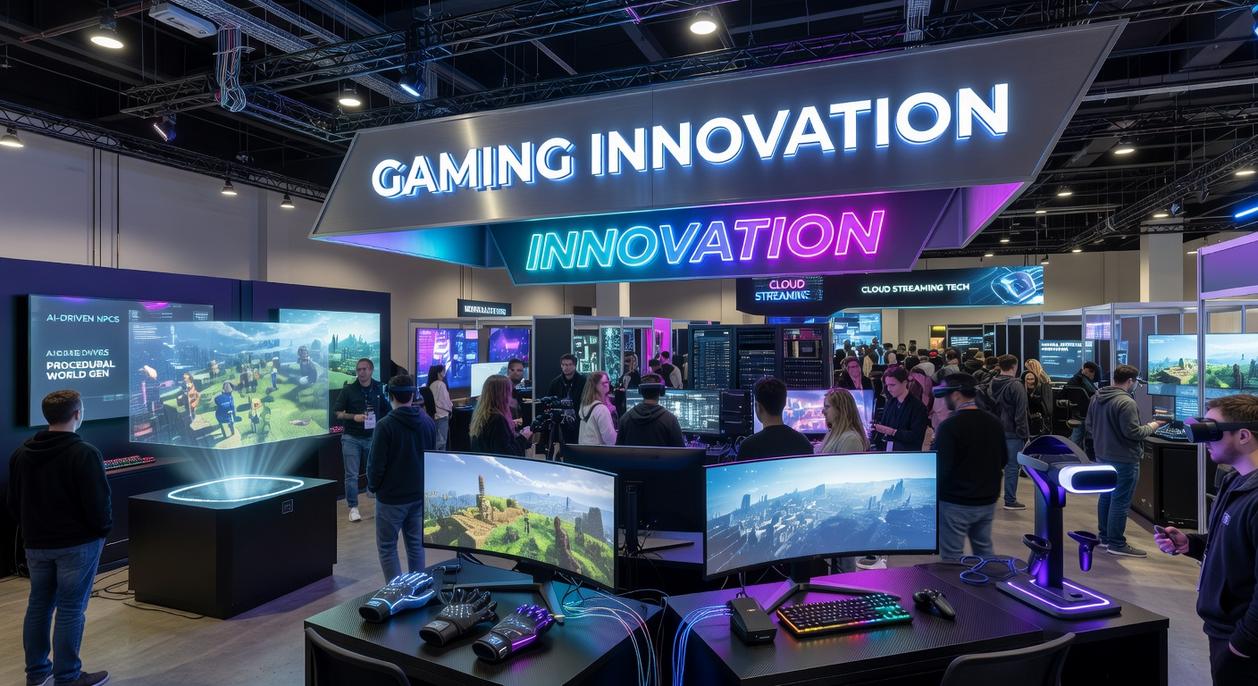
We’ve all seen the marketing.
AI-powered enemies that adapt to your playstyle. Smarter NPCs. Better combat.
But that’s not the interesting part.
What gets me excited is what’s happening beneath the surface. AI is starting to build worlds that actually remember what you do.
Think about it. Right now, most NPCs forget you exist the second you walk away. You save their village from bandits and they’re back to complaining about mudcrabs like nothing happened.
That’s changing.
Beyond Smarter Enemies
I’m watching developers test NPCs with actual memory systems. These characters remember your past conversations. They hold grudges or feel grateful based on what you did three hours ago.
Some people argue this is just smoke and mirrors. They say it’s the same scripted behavior with extra steps, and we’re fooling ourselves if we think it’s real intelligence.
Fair point. A lot of what gets labeled as AI is just fancy if-then statements.
But here’s where they’re wrong. The technology behind these systems is different now. Machine learning models can generate responses we didn’t explicitly program. That’s new territory.
I tested a demo last month where an NPC shopkeeper refused to sell to me because I’d helped his competitor two game days earlier. Nobody scripted that specific scenario. The AI made that connection on its own.
Procedural Generation Evolved
We’ve had procedural generation for years. Minecraft proved it works. No Man’s Sky showed us the scale it can reach.
But generative AI takes it further.
Instead of mixing pre-made chunks together, these systems can create genuinely unique locations with their own logic. A forest that grew around an abandoned settlement. Ruins that tell a story through their layout.
According to a 2024 report from Newzoo, 67% of game developers are now experimenting with AI-generated content in some form. That’s up from 23% just two years ago.
The difference shows. I’ve played builds where every dungeon feels like someone designed it by hand, even though an algorithm created it in seconds.
The Narrative Potential
This is where things get wild.
Imagine dialogue systems that don’t just pick from a list of pre-written responses. They generate conversations based on your character’s history, your previous choices, and the current situation.
I know what you’re thinking. Won’t that create nonsense? Generic fantasy speak that sounds hollow?
Sometimes, yeah. The technology isn’t perfect yet.
But I’ve seen prototypes at Summer Game Fest 2024 Altwaygamers coverage where NPCs asked me about decisions I made hours earlier in ways that felt natural. The system tracked my actions and wove them into new quest lines I never expected.
How New Technologies Are Changing Gaming Altwaygamers
Here’s my take on where this goes.
AI won’t replace writers and designers. At least it shouldn’t. What it does is give them new tools to create experiences that react to us in real time.
The best games will use AI to handle the infinite variations while human creators build the core vision and emotional beats. You need both.
I’ve talked to developers who worry about losing that human touch. They’re right to be careful. A procedurally generated world without artistic direction is just noise (we learned that lesson already).
But when you combine AI systems with strong creative leadership? That’s when you get worlds that feel alive in ways we haven’t seen before.
The question isn’t whether AI will change gaming. It already has. The question is whether we’ll use it to make games deeper and more personal, or just cheaper and faster to produce.
I’m betting on the former. But we’ll need to hold developers accountable to make sure that’s what we get.
VR and AR: The Ongoing Quest for Ultimate Immersion
I still remember the first time I put on a VR headset.
The weight pressed against my face. The lenses fogged up slightly from my breath. Then the world around me disappeared.
For about ten minutes, I thought we’d finally made it. Full immersion was here.
Then the motion sickness hit.
Look, I want VR and AR to be the future just as much as you do. The idea of stepping directly into a game world instead of staring at a screen? That’s what we’ve been waiting for since we were kids reading sci-fi novels.
But some people will tell you VR is already there. That it’s perfect and we should all be playing in headsets right now.
They’re wrong.
The truth is messier. VR headsets still cost more than most gaming PCs. You need dedicated space to move around without punching your TV (I learned that one the hard way). And after 30 minutes, your face feels like you’ve been wearing ski goggles in a sauna.
Worse yet, we’re still waiting for that one game that makes all of it worth it. You know what I mean. The deep story-driven experience that keeps you coming back for 60 hours, not 60 minutes.
That said, VR isn’t useless.
When you’re sitting in a racing sim, feeling the rumble of the engine through your controller while your vision fills with the track ahead? That’s when it clicks. Flight simulators put you in the cockpit in ways a monitor never could. And rhythm games like Beat Saber make you feel the music in your arms and shoulders.
These aren’t traditional gaming experiences. They’re something else entirely.
The question is whether that’s enough. For most of us in the Altway Gamers community, the answer is still no. We want those long-form narratives. We want worlds we can live in for weeks, not tech demos we show friends once.
How new technologies are changing gaming altwaygamers comes down to this: VR and AR are promising, but they’re not ready yet.
The hardware needs to get lighter and cheaper. Developers need to figure out how to tell stories that work in VR without making us sick. And honestly, we need games that respect our time instead of just showing off what the tech can do.
Until then? I’m keeping my headset charged and my expectations realistic.
Because when VR finally delivers on what it promises, I want to be ready.
Technology in Service of the Game
We’ve covered a lot of ground here.
Cloud gaming promises access from anywhere. AI is making NPCs smarter and worlds more responsive. VR and AR are pushing the boundaries of immersion.
But here’s the real question: Do these technologies make games better?
How new technologies are changing gaming altwaygamers comes down to one thing. They need to deepen your experience, not just dazzle you with specs.
The tech that wins will be the tech that helps developers build worlds you want to stay in. Games with smarter systems. Communities that feel alive. Stories that adapt to how you play.
I’ve seen too many innovations that looked good on paper but fell flat in practice. The difference is always the same: does it serve the game or just the marketing?
Your challenge as a gamer is cutting through the hype. Find the technologies that actually add something to your sessions.
Start paying attention to how developers use these tools. Watch for games that blend new tech with solid design. Support studios that prioritize experience over gimmicks.
The future of gaming isn’t about the tech itself. It’s about what that tech lets us create and experience together.
Keep playing what matters. The best is still ahead.
 polar_marsh founded Altway Gamers to unite the community through a blend of technical insight and cultural depth. By covering everything from esports and multiplayer updates to narrative reviews and real-world strategies, Speroellis has established a platform where competitive play meets meaningful storytelling. Under this leadership, Altway Gamers continues to empower players to stay informed, connected, and ahead of the game.