

The lore elder scrolls universe can feel overwhelming. I get it. The myths and cosmic truths of Tamriel are complex, and piecing them together from in-game texts is no easy task.
After years of diving deep into this world, I know how satisfying it is to finally understand its mythology.
This article will guide you through the core concepts, deities, and creation stories that shape every Elder Scrolls game. You might be asking yourself why it even matters.
Trust me, unraveling these narratives profoundly enhances your gaming experience.
You’ll discover the reasons behind Tamriel’s existence, and you won’t have to sift through countless texts alone.
I’ve spent years dissecting these narratives, and I’m here to share that experience with you.
By the end, you’ll see the Elder Scrolls not just as a game but as a rich mix of stories that connect everything together. Let’s dive in.
The Genesis of Reality: Aurbis, Anu, and Padomay
Imagine the primordial void (that’s) Aurbis before creation. It’s the stage for a cosmic ballet between Anu and Padomay. Anu embodies Stasis, Order, and Light.
Padomay is the guy you call for Change, Chaos, and Dark. Together, they dance (well, fight really), creating the Original Spirit or Aka-Tusk. This dance births existence itself.
Now, the ‘Grey Maybe’ is where things get spicy. It’s that messy in-between where Anu and Padomay’s conflict shapes reality. You ever wonder why magic is chaotic or why morality seems so subjective?
It’s all about this foundational duality. In the lore elder scrolls, this duality isn’t just a footnote. It’s the rulebook.
Magic, morality, even the weather, are influenced by their cosmic brawl.
Some say it’s a beautiful mess. I say it’s the ultimate paradox. Without chaos, there’s no order.
Without light, you wouldn’t notice the dark. And maybe, just maybe, that’s the point. The universe thrives on this conflict.
Life itself is born from this endless dance, and I wouldn’t have it any other way. What about you?
Divine Powers: The Aedra and Daedra
Let’s get straight into it. Aedra are those original spirits who gave up their power to create Mundus, the mortal plane. Think of Akatosh, the ruler of time, or Mara, the goddess of love. These aren’t just fictional characters; they’re the backbone of the Elder Scrolls universe.
On the flip side, we have the Daedra. They’re the ones who kept their power (smart move or selfish act?). Well, it depends on who you ask.
Mehrunes Dagon loves destruction, Azura treasures dawn and dusk, while Sheogorath? Pure chaos. Mortals worship them for protection or power, but beware.
A Daedra’s gift often comes with strings attached.
Exploring these divine entities reveals the moral ambiguities of Tamriel’s cultures. Is it better to sacrifice for creation like the Aedra, or retain power like the Daedra? Their influence is evident in every game moment.
Curious about how these themes compare to other narratives? Check out our deep dive cyberpunk 2077 narrative for more on game storytelling.
In the lore elder scrolls we’re diving into here, power dynamics are never quite what they seem.
Mundus Unleashed: Tamriel’s Birth and Breath
I’ve always found the creation of Mundus fascinating (the) kind of story that hooks you with its sheer audacity. At the center of it all is Lorkhan, the so-called “Missing God.” His plan was wild: forge a mortal area at any cost. And that cost?
Immense. Lorkhan convinced the Aedra to sacrifice their essence, leading to the “Convention,” a moment that drained them into shadows of their former selves, all for Mundus.
Now, let’s talk Ehlnofey. These ancestral spirits are the leftovers of the Aedra’s sacrifice. They eventually split and transformed into the diverse races of Tamriel.
Mer, Man, Beastfolk. Imagine that! From one spirit pool to a world of cultures and conflicts.
It’s a messy yet beautiful evolution (like any good family drama).
Mortality isn’t just a theme here; it’s everything. Some characters in Elder Scrolls crave transcendence, desperate to escape their mortal chains. If you’re curious about their histories and how these origins shape relationships in the games, check out this overview.
As I dived into the lore elder scrolls world, I realized each race’s background breathes life into their cultures, beliefs, and feuds. Amazing, right?
Unraveling Elder Scrolls Lore: Kalpas, Amaranth, and More
to the chaos of lore elder scrolls. Kalpas, to start, are the cycles of creation and destruction in this universe. Imagine Alduin, the “World-Eater,” devouring the world at the end of each cycle, like clockwork.
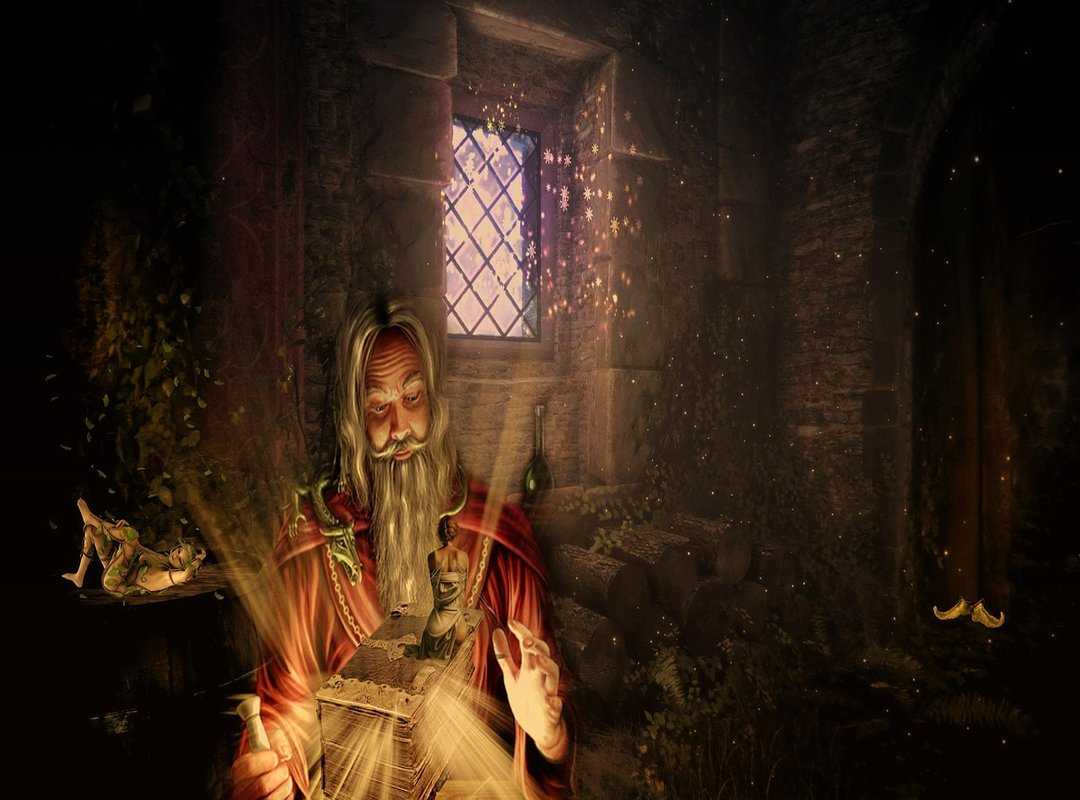
This isn’t just a plot device; it’s a deep reflection on impermanence.
Then there’s Amaranth. A state of transcendence where a sentient being dreams a new reality and becomes a new Godhead. Sounds like a lot for just a video game, right?
But it poses serious questions about existence and creation.
And what about the Dragon Break? Time just stops being linear. Everything happens and doesn’t happen.
Causes? Sometimes it’s meddling groups like the Marukhati Selective. Other times, it’s just a glitch in the universe.
Warp in the West is a classic example where everything got tangled beyond recognition.
Now, let’s touch on CHIM. It’s all about self-realization. You understand reality’s dream-like quality without disappearing (zero-summing).
It allows mortals to shape destiny. That’s the essence of freedom in this universe.
These concepts aren’t just for lore nerds. They invite us to think about free will and reality. Bethesda’s storytelling in Elder Scrolls is similar to the layered narrative in Red Dead Redemption 2 storytelling.
Both games make us ponder deeper questions.
In the end, understanding these elements enriches our experience. It’s not just a game; it’s a philosophy.
Mythology’s Echo: Impact on Gameplay and Narrative
The Elder Scrolls games are a masterclass in using mythology to weave compelling narratives. Take Alduin’s return, for instance. It’s not just a dragon coming back to life; it’s a prophecy steeped in ancient lore elder scrolls fans have dissected for years.
When you start on Daedric quests, you’re not just fetching trinkets. You’re interacting with the very fabric of the world’s mythology. You confront the motivations of Daedric Princes, which often leads to moral dilemmas and unique rewards.
This isn’t just window dressing. It makes your choices feel weighty.
It’s like staring into the abyss and having it stare right back.
The cultural beliefs and rituals (like) the Imperial Cult or Dunmer Ancestor Worship (aren’t) just background noise. They’re rooted in these mythological frameworks that give the world a lived-in feel. Understanding the lore of Aedra and Daedra isn’t optional.
It enhances your appreciation for the conflicts and alliances throughout Tamriel.
This mythological depth provides a sense of gravity to your actions. It makes the world feel ancient and alive. And trust me, that’s no small feat in a video game.
Dive Deeper into Tamriel
I hope this guide has laid a solid foundation for understanding the lore elder scrolls. The sheer complexity of Tamriel’s history can feel overwhelming. But when you connect those disparate pieces, it creates a richer gaming experience.
Now, what’s next? Revisit your favorite Elder Scrolls games. Seek out those lore books.
Engage with quests that once felt trivial. Discuss these topics with fellow gamers.
Don’t let the depth of Tamriel intimidate you. Embrace it. Dive in and explore.
You’ll uncover layers of storytelling that raise your gameplay. Let’s keep this adventure going.
 ga_fjord was a key architect in shaping the site’s identity and how it communicates the nuances of gamer culture and narrative depth. Through a sharp focus on user experience and the presentation of editorial reviews, Duskforge helped bridge the gap between technical gaming updates and the community’s social fabric. This contribution ensured that the platform is not just an information hub, but an engaging space that reflects the energy and passion of the modern esports and narrative gaming landscapes.