
Competitive gaming is exploding. There’s no denying it.
I’ve watched this esports global phenomenon grow from niche interest to mainstream powerhouse. Why is it so captivating?
This article will break down the global impact of competitive gaming and what drives its insane popularity.
I’ll cover everything from its origins to what the future holds. You’ll see how the gaming culture, esports events, and strategies all intertwine to create something that’s not just a trend.
I’ve spent years tracking multiplayer updates and significant esports developments. I know this world inside and out.
You’re probably asking how you can get involved or why it matters.
I promise a full overview that answers those questions and more.
Whether you’re a casual player or a devoted fan, you’ll find takeaways here that connect.
Get ready to dive into the excitement and complexity of competitive gaming. You won’t want to miss this.
The Explosive Rise: What Makes Competitive Gaming a Worldwide?
Let’s talk about competitive gaming. It’s not your casual weekend button-mashing session with friends. We’re diving into organized, professional esports here.
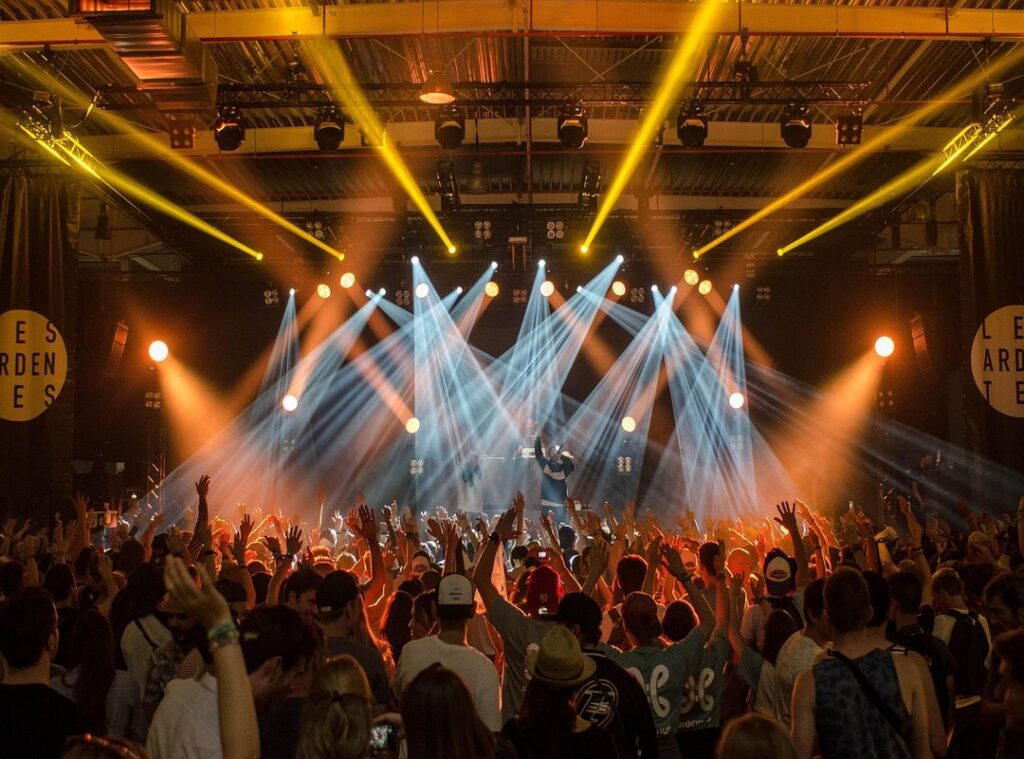
Think massive arenas, global audiences, and players as dedicated as Olympic athletes. The esports global phenomenon is more than a trend; it’s a revolution.
Why’s it blown up so fast? Well, massive prize pools don’t hurt. Who wouldn’t want to battle for millions?
Add to that the passionate fan bases creating a culture that rivals traditional sports. It’s like watching the Super Bowl every week. But it’s not just about money or fans.
It’s the skill. These aren’t just gamers (they’re) athletes.
Historically, gaming’s grown from niche communities in dimly lit arcades to a full-blown global spectacle. In the last decade, viewership numbers and revenue have skyrocketed, spreading across continents like wildfire. This isn’t just a Western thing.
It’s everywhere.
And why now? Tech advancements, social media, and streaming platforms have all converged to amplify gaming’s appeal. It’s not just a game.
It’s a lifestyle, a career. So, next time you hear someone dismiss gaming, remind them: this is the future of sports, and it’s here to stay.
The Global Stage: Gaming’s Powerhouses and Their Icons
When you think about the esports global phenomenon, certain regions immediately come to mind. North America, Europe, and Asia. Especially South Korea and China.
Are the powerhouses. Each has its own flavor. South Korea?
It’s all about StarCraft and League of Legends. China, on the other hand, dominates in Dota 2 and Mobile Legends.
Why do these games thrive there? It’s simple. Cultural fit.
Not really. North America and Europe love their CS:GO and Fortnite. Fast-paced, adrenaline-pumping action is their thing.
South Korea’s obsession with plan makes League of Legends a perfect match. China’s massive gaming population pushes Dota 2 to new heights. Does this mean the West is lagging?
You can’t discuss this without mentioning the tournaments. The International, League of Legends World Championship (these) are more than events. They’re spectacles.
Massive audiences, huge stakes. People flock to see who will reign supreme.
But here’s the kicker: every region has its specialty. Asia’s got plan down to a science, while the West excels in shooters. This diversity keeps the global scene fresh.
Want to dive deeper into what makes these tournaments tick? Check out this guide.
Esports isn’t just a passing trend. It’s a cultural movement. A worldwide sensation.
And it’s only getting bigger. So, where do you fit in?
Beyond the Game: Economic Impact and Cultural Shift
Esports isn’t just a passing trend. It’s a real industry. The economic space around competitive gaming is mind-boggling.
We’re talking sponsorships, advertising, merchandise, and media rights. You name it, esports has it. Ever notice how major brands are jumping on board?
They’re not just dabbling; they’re investing millions. Why? Because esports has proven it’s not a temporary gig.
It’s a global phenomenon.
Let’s talk careers. It’s not just about being a player. There’s a whole world beyond the stage.
Coaches, analysts, casters, content creators, event organizers, marketing specialists. The list goes on. These roles are important to keep the industry buzzing.
It’s like any other sport in that regard. And the paychecks? They’re getting bigger.
Cultural integration is another beast. Esports has seeped into fashion, music, and even traditional sports. Universities offer scholarships and programs just for gaming.
Imagine telling your parents you got into college on an esports scholarship. The game’s changed, literally and figuratively.
Look at top plays recent esports championships. These events draw massive crowds, both online and offline. The legitimacy of esports is undeniable.
Just like the Super Bowl or the World Cup, these championships are cultural touchstones.
So, is esports here to stay? Absolutely. It’s not just about games.
It’s about community, culture, and, yes, money. It’s about time we all recognized its impact. Esports is reshaping entertainment and society.
And it’s only getting started.
The Path to Pro: From Casual to Global Recognition
Getting into the big leagues of esports isn’t just about having quick reflexes. It’s a grind, a test of endurance and mental strength. You start off playing casually, like everyone else.

But if you’re serious, you dive into amateur leagues. the real challenge begins. It’s a world where only the dedicated thrive.
But let’s be honest, the road to becoming a professional isn’t a walk in the park. It demands rigorous training, consistent practice, and strategic thinking. Esports players are athletes, no question about it.
They train for hours, perfecting tactics and honing their skills. Team dynamics and communication? Absolutely key.
Without them, you’re sunk.
Professional organizations play a massive role here. They’ve got managers, coaches, and even sports psychologists. All to keep players at their peak.
And let’s not forget the physical trainers who make sure players are in top shape. It’s a full-on support system, and it’s important.
Take a look at legendary teams that have risen to fame. They didn’t just stumble into success. They worked for it, proving that with the right mix of skill and support, global recognition is possible.
Their stories make the esports global phenomenon what it is today.
Is it easy? No way. But for those willing to put in the effort, the rewards are immense.
Dive into the Game: Engaging with Esports
Getting into competitive gaming? It’s a global phenomenon that pulls you right in. First, aspiring players, practice like your life depends on it.
Join local communities (they’re a goldmine for tips). And why not jump into an online tournament? Watching pros play isn’t just fun.
It’s educational. Now, fans, you’ve got Twitch and YouTube Gaming at your fingertips. Follow your favorite teams, and don’t just lurk on social media.
Engage!
Ever been to a local gaming event? The energy is electric. It’s not just about watching; it’s about feeling part of something huge.
The best part? The community. It’s like a giant, welcoming family.
You don’t have to be a pro to fit in; just bring your passion.
Pro tip: Don’t underestimate the power of local meetups. They can be your ticket to deeper involvement. So, what are you waiting for?
Dive in and find your place.
Dive into Competitive Gaming
Competitive gaming isn’t a passing trend. It’s a solid esports global phenomenon that opens up countless opportunities. You need to understand its impact to fully appreciate its power.
So go ahead, watch a match, try a new game, or connect with the community. You won’t regret it.
 ga_fjord was a key architect in shaping the site’s identity and how it communicates the nuances of gamer culture and narrative depth. Through a sharp focus on user experience and the presentation of editorial reviews, Duskforge helped bridge the gap between technical gaming updates and the community’s social fabric. This contribution ensured that the platform is not just an information hub, but an engaging space that reflects the energy and passion of the modern esports and narrative gaming landscapes.